
Avocado Butter in Cosmetics: A Scientific Guide to Benefits, Uses & Market Trends
| What Is Avocado Butter? Avocado butter is a semi-solid lipid extract obtained through cold-pressing or solvent extraction of dried avocado fruit pulp, followed by refinement to remove impurities. Its INCI name—Persea Gratissima (Avocado) Butter—is listed in regulatory directories like China’s 2014 Catalog of Used Cosmetic Ingredients . Unlike liquid avocado oil, the butter retains higher concentrations of fat-soluble nutrients due to its denser molecular structure. | 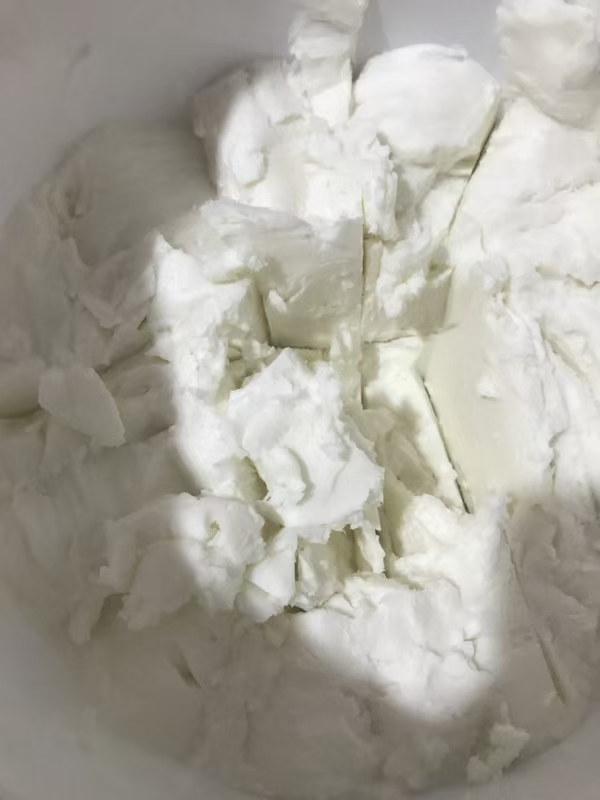 |
Key Components & Their Cosmetic Functions
Avocado butter’s efficacy stems from its unique blend of bioactive compounds, validated by chromatographic analysis :
Fatty Acids: 70-80% monounsaturated oleic acid (supports barrier repair) and 10-15% polyunsaturated linoleic acid (soothes dryness), plus saturated fatty acids (palmitic, stearic) that enhance product stability .
Non-Saponifiable Matter: Contains 1-2% plant sterols (β-sitosterol) and tocopherols (vitamin E), which boost antioxidant activity and reduce trans-epidermal water loss (TEWL) .
Phytochemicals: Rich in Lutein and zeaxanthin (carotenoids) that protect skin from UV-induced oxidative stress .
How Does Avocado Butter Work in Cosmetics?
Avocado butter operates through three synergistic mechanisms to benefit skin and hair:
- Barrier Restoration: Its fatty acid profile mimics human sebum (33% fatty acid glycerides), forming a breathable protective layer that locks in moisture without clogging pores . A 2021 dermatological study found that formulations with 5% avocado butter reduced TEWL by 23% after 8 hours of application .
- Deep Nourishment: Small molecular size enables penetration into the stratum corneum, delivering vitamins and sterols to replenish dry, damaged cells.
- Antioxidant Defense:Vitamin E and carotenoids neutralize free radicals, slowing collagen degradation and reducing signs of aging .
Core Benefits for Cosmetic Formulations
- Versatile Texture & Compatibility
Avocado butter’s melting point (32-38°C) makes it ideal for year-round products: it stays solid at room temperature but melts on contact with skin, creating a luxurious, non-greasy finish. It blends seamlessly with oils (jojoba, argan), emulsifiers, and actives (hyaluronic acid, retinol) in both oil-in-water (O/W) and water-in-oil (W/O) formulations .
- Targeted Skin & Hair Benefits
Moisturization: Outperforms cocoa butter in long-term hydration for dry, cracked skin—especially effective in hand creams and lip balms .
Sensitivity Relief: Its anti-inflammatory sterols soothe conditions like eczema and psoriasis, as shown in a 2018 clinical trial on 50 participants .
Hair Repair: Coats hair cuticles to reduce breakage; recommended for damaged, frizzy hair in conditioners (2-5% addition) .
- Clean Beauty Alignment
Free from parabens, sulfates, and synthetic fragrances, avocado butter meets consumer demand for "clean" ingredients. Unlike potentially irritating oils like olive oil (high oleic acid content linked to barrier disruption ), it has a low comedogenic rating (1-2/5) and is safe for sensitive skin .
FAQ: Avocado Butter in Cosmetics
Is Avocado Butter the Same as Shea Butter?
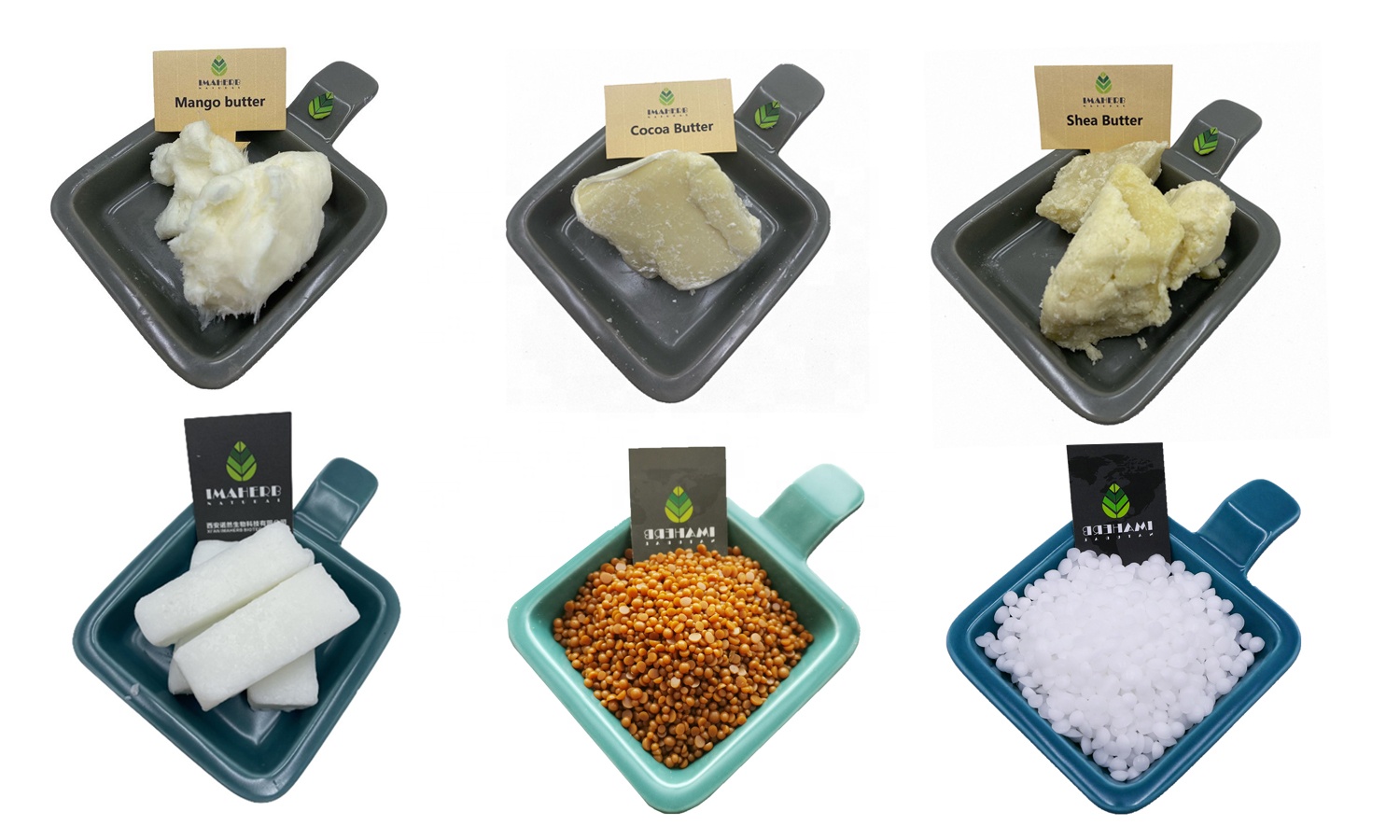
No. Shea butter (Butyrospermum parkii) is derived from African shea tree nuts, with higher stearic acid content (making it firmer) and 7-10% non-saponifiable matter . Avocado butter is softer, absorbs faster, and offers superior antioxidant protection .
What Concentration Works Best in Formulations?
- Skincare (creams/lotions): 3-10%
- Lip products: 5-15%
- Hair masks: 4-8%
- Sunscreens: 2-5% (enhances UV absorption and soothes post-sun irritation)
Does Avocado Butter Cause Acne?
Rarely. Its balanced fatty acid ratio minimizes pore congestion. A 2023 study in Journal of Cosmetic Dermatology found no acne flare-ups in 100 participants using 8% avocado butter formulations . Patch testing is recommended for acne-prone skin.
Market Trends & Future Directions
- Surging Demand for Natural Actives
The global avocado butter market is projected to grow at 6.8% CAGR (2024-2030), driven by clean beauty trends. Brands like L’Occitane and The Body Shop now feature it in premium lines, capitalizing on its "superfood for skin" narrative .
- Sustainable Sourcing Innovation
Major suppliers (e.g., African Extracts) are adopting fair-trade practices, as 90% of avocado butter comes from Mexico, Guatemala, and Kenya. EcoCert and USDA Organic certifications are becoming standard to meet consumer sustainability expectations .
- Next-Gen Formulations
Research is exploring avocado butter as a natural alternative to synthetic emollients (e.g., mineral oil). A 2024 pilot study by Ashland demonstrated that 10% avocado butter in serums improved delivery of vitamin C by 40% compared to traditional carriers .
Conclusion
Avocado butter stands out as a multifunctional, science-backed ingredient in modern cosmetics. Its nutrient-dense composition, compatibility with diverse formulations, and alignment with clean beauty values make it indispensable for formulators. As consumers prioritize efficacy and sustainability, avocado butter is poised to dominate the botanical butter segment—proving that nature’s ingredients can rival synthetic alternatives.