
Is Azelaic Acid The Next Must-Have Beauty Ingredient?
What Is Azelaic Acid?Azelaic acid is a saturated dicarboxylic acid with nine carbon atoms, naturally found in grains like wheat, rye, and barley, as well as produced by the yeast Malassezia furfur. Contrary to its occasional nickname “azalea acid,” it has no connection to azalea flowers; the mix-up stems from a similarity in their English names during early translations. In the human body, small amounts of azelaic acid also exist in the urine of healthy individuals, synthesized from fatty acids via ω-oxidation. | 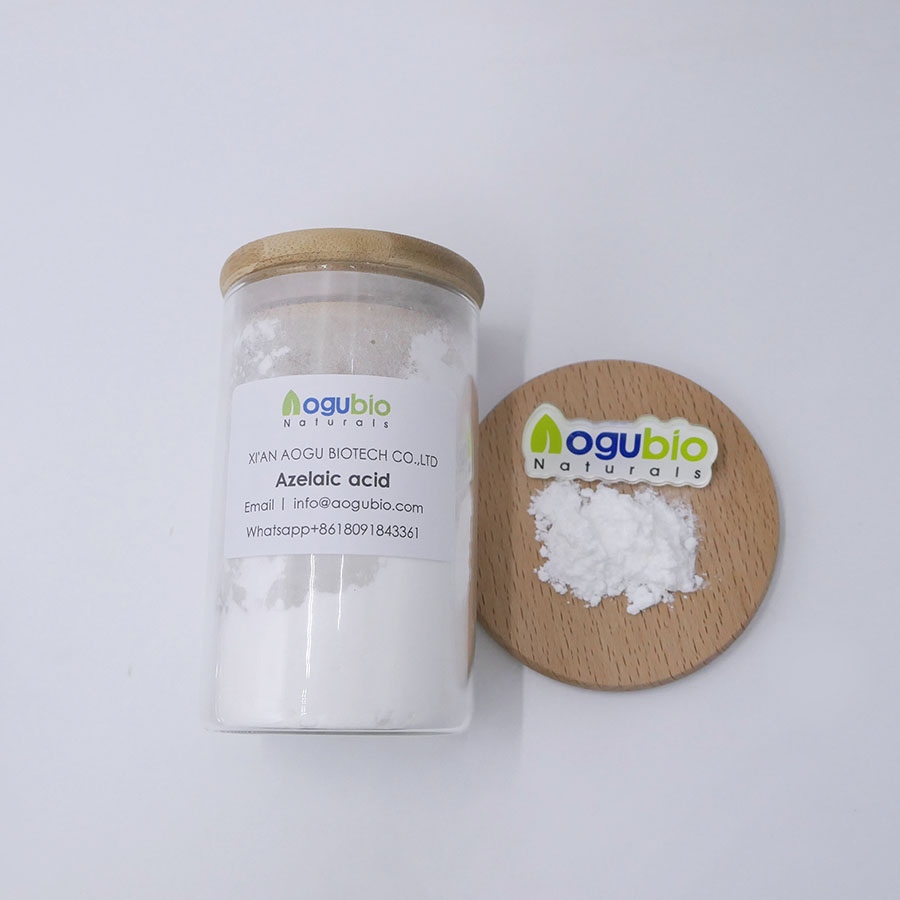 |
Chemically, azelaic acid has a molecular formula of C₉H₁₆O₄ and a molecular weight of 188.22 g/mol, with a linear structure terminated by two carboxylic acid groups. It appears as a white, odorless crystalline powder with a melting point between 106.5°C and 109°C, and while it is only slightly soluble in water, it dissolves well in ethanol and other polar solvents—properties that make it suitable for topical skincare formulations. Its mild nature and multiple skin-benefiting mechanisms have made it a standout ingredient, especially for those with sensitive or problematic skin.
The Science Behind Azelaic Acid: Key Properties and Benefits
1. Antibacterial Action: Fights Acne-Causing Bacteria
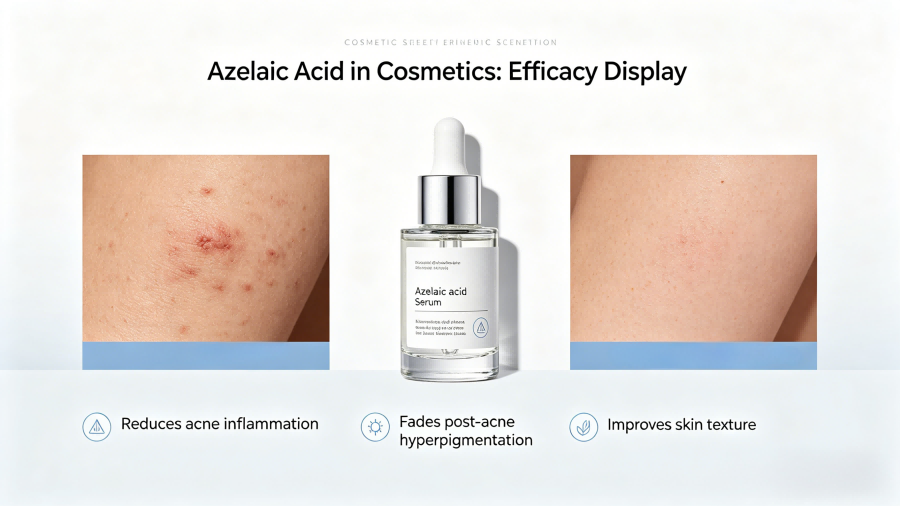
One of azelaic acid’s most well-documented benefits is its ability to inhibit the growth of Propionibacterium acnes, the bacteria responsible for inflammatory acne. Unlike antibiotics, which can lead to bacterial resistance over time, azelaic acid works by inhibiting bacterial protein synthesis and interfering with the metabolic processes of P. acnes, reducing its ability to thrive on the skin’s surface.
A 1989 study published in the British Journal of Dermatology found that a 20% azelaic acid cream reduced the number of P. acnes bacteria on the skin by 100 to 1000 times, significantly decreasing the formation of inflammatory acne lesions and non-inflammatory lesions. Another study published in PubMed in 2019, which analyzed 49 clinical trials involving 3,880 participants, found that azelaic acid is just as effective as topical retinoids like adapalene for treating mild to moderate acne, with fewer side effects.
2. Anti-Inflammatory Effects: Calms Redness and Irritation
Azelaic acid is a potent anti-inflammatory agent, making it ideal for skin conditions characterized by redness, swelling, and irritation, such as rosacea and acne vulgaris. It works by inhibiting the production of pro-inflammatory molecules like tumor necrosis factor-α (TNF-α) and blocking the activation of nuclear factor κB (NF-κB)—a signaling pathway that triggers inflammation in the skin.
3. Anti-Melanogenic Properties: Fades Dark Spots and Evens Tone
For those struggling with hyperpigmentation, post-inflammatory hyperpigmentation (PIH), or melasma, azelaic acid is a game-changer. It works by inhibiting tyrosinase, the enzyme responsible for melanin production, and by targeting abnormal melanocytes (the cells that produce melanin), preventing them from overproducing pigment. Unlike hydroquinone (a common skin-lightening ingredient), azelaic acid is gentle and does not cause permanent damage to melanocytes, making it safer for long-term use.
4. Gentle Exfoliation: Improves Skin Texture Without Irritation
Azelaic acid acts as a mild keratolytic agent, meaning it helps to normalize the shedding of dead skin cells without stripping the skin’s barrier. It works by reducing the thickness of the stratum corneum and decreasing the production of filaggrin, a protein that contributes to the buildup of dead skin cells in pores.
5. Antioxidant Protection: Defends Against Environmental Damage
Azelaic acid also acts as an antioxidant, helping to protect the skin from free radical damage caused by UV radiation, pollution, and other environmental stressors. It works by scavenging free radicals and increasing the activity of superoxide dismutase, an enzyme that helps neutralize free radicals in the skin.
A 2000 study in Experimental Dermatology found that azelaic acid reduced the production of reactive oxygen species by 72% in skin cells exposed to UVB radiation, helping to prevent photoaging and protect the skin’s collagen and elastin fibers. This antioxidant activity also helps to support the skin’s natural barrier function, keeping it hydrated and resilient.
6. Safety and Tolerability: Suitable for All Skin Types
One of azelaic acid’s biggest advantages is its excellent safety profile. According to the Cosmetic Ingredient Review (CIR) Final Report from 2019, azelaic acid is safe for use in cosmetics at concentrations up to 10%.Its sensitization rate is extremely low (less than 0.1%), significantly lower than that of other active ingredients such as retinol or benzoyl peroxide; furthermore, it is non-photosensitizing—meaning it does not increase the skin's sensitivity to sunlight.
Azelaic Acid in Cosmetics: Applications and Formulations
Common Formulations and Concentrations
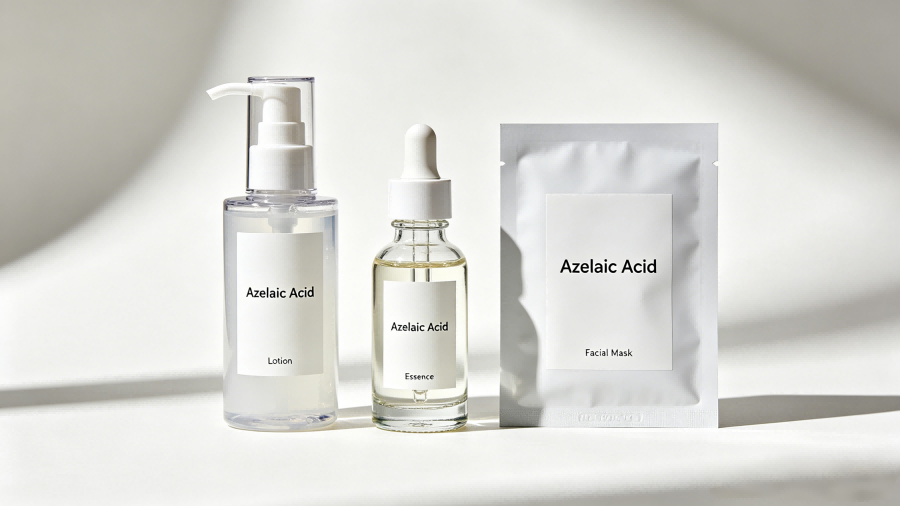
5-10% (Cosmetic Grade): Found in over-the-counter skincare products, such as serums, creams, and toners. This concentration is ideal for daily use, targeting mild acne, hyperpigmentation, and uneven skin texture. It is gentle enough for sensitive skin and can be used as part of a regular skincare routine.
Synergistic Ingredient Pairings
- Niacinamide: A form of vitamin B3 that improves skin barrier function and reduces excess oil. When paired with azelaic acid, it enhances anti-inflammatory effects, calms redness, and reduces irritation, making it ideal for acne-prone and sensitive skin.
- Hyaluronic Acid: A humectant that retains up to 1000 times its weight in water. It does not react chemically with azelaic acid but helps to lock in moisture, mitigating any mild drying effects and keeping the skin hydrated.
- Ceramides: Lipid molecules that repair the skin’s protective barrier. Using ceramide-rich products alongside azelaic acid reinforces barrier health, making the overall skincare routine gentler and more effective.
Targeted Skincare Concerns
- Acne-Prone Skin: Reduces P. acnes bacteria, unclogs pores, and calms inflammation, making it effective for both inflammatory and non-inflammatory acne. It is a great alternative to harsher ingredients like benzoyl peroxide for those with sensitive acne-prone skin.
- Rosacea-Prone Skin: FDA-approved for papulopustular rosacea, it reduces redness, papules, and pustules without irritating the skin. It is often better tolerated than other rosacea treatments like metronidazole.
- Hyperpigmentation and Melasma: Fades dark spots, PIH, and melasma by inhibiting melanin production. It is a safe alternative to hydroquinone and suitable for all skin tones, including darker skin types that are more prone to pigmentation issues.
- Sensitive Skin: Its mild nature and low irritation risk make it ideal for sensitive skin, as it does not disrupt the skin barrier. It can also help to calm irritation caused by other skincare ingredients.
Final Thoughts
Azelaic acid is more than just a trend—it is a science-backed ingredient that delivers real results for a wide range of skin concerns. Its mild nature, multiple benefits, and safety profile make it accessible to almost everyone, from those with sensitive skin to expecting mothers. With ongoing research into innovative formulations and synergistic pairings, azelaic acid’s role in skincare is only going to grow.
So, is azelaic acid the next must-have beauty ingredient? Based on the research, expert opinions, and growing consumer demand—yes. It offers a rare combination of efficacy and gentleness, making it a valuable addition to any skincare routine. Whether you struggle with acne, hyperpigmentation, or sensitive skin, azelaic acid is worth considering as your next skincare staple.
Name: Yuki
E-mail: sales02@nahanutri.com
WhatsApp:+8618066950297