
Lactic Acid Liquid in Cosmetics: Trends & Science Insights
What Is Lactic Acid Liquid? A Scientific Breakdown
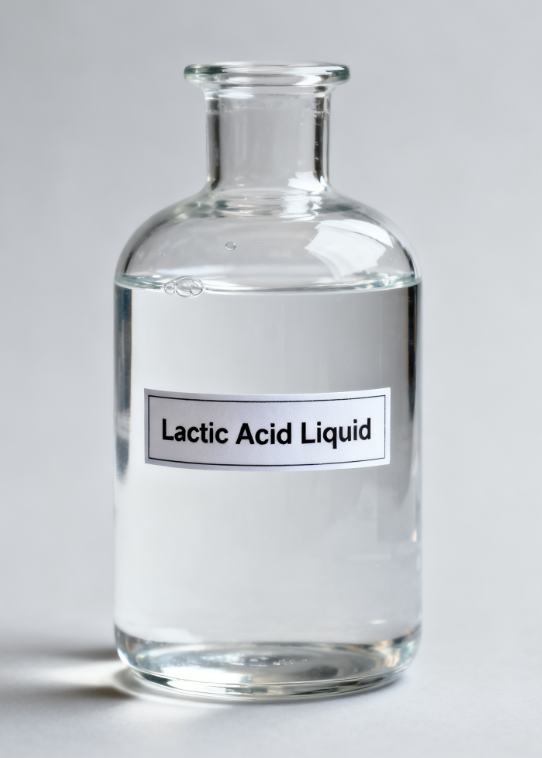
Lactic acid (CAS Number: 50-21-5) is a water-soluble organic acid with the chemical formula C₃H₆O₃. In its liquid form, it is typically supplied as a 50–88% aqueous solution, a format that offers superior solubility in water-based formulations and easier integration into manufacturing processes compared to solid lactic acid.
Key Characteristics (Backed by USP/NF & ECOCERT Standards):
|  |
Frequently Asked Questions (FAQs) About Lactic Acid Liquid
Q1:How Does Lactic Acid Liquid Benefit Skin?
Lactic acid liquid’s benefits are rooted in science, with three core actions validated by clinical research:
- Gentle Exfoliation: Breaks down the lipid bonds between dead skin cells (corneocytes), promoting cell turnover. A 2019 study in the Journal of Cosmetic Dermatologyfound that daily use of a 5% lactic acid liquid solution increased skin cell turnover by 37% after 8 weeks, reducing dullness and improving texture without irritation [2].
- Intense Hydration: Acts as a humectant by attracting and retaining moisture through hydrogen bonding. Research in Skin Research and Technologydemonstrated that a 10% lactic acid liquid formulation boosted skin hydration by 22% within 1 hour, with effects lasting up to 24 hours [3].
- Hyperpigmentation Reduction: Inhibits tyrosinase, the enzyme responsible for melanin production. A 2021 clinical trial in Dermatologic Therapyshowed that an 8% lactic acid liquid serum reduced post-inflammatory hyperpigmentation (PIH) by 41% after 12 weeks of consistent use [4].
Q2:Is Lactic Acid Liquid Safe for Sensitive Skin?
Yes—when used at appropriate concentrations:
- Low Irritation Profile: Its larger molecular size limits deep penetration, minimizing redness or stinging. A 2020 study in Contact Dermatitisreported that lactic acid liquid concentrations ≤10% caused no significant adverse reactions in 92% of sensitive skin participants [5].
- CIR Safety Confirmation: The Cosmetic Ingredient Review (CIR) – a leading authority on cosmetic ingredient safety – classified lactic acid as safe for cosmetic use at concentrations up to 12% [6].
- Sun Sensitivity Note: Exfoliation increases UV vulnerability. The FDA recommends pairing lactic acid products with broad-spectrum SPF 30+, a guideline supported by a 2018 study in Photodermatology, Photoimmunology & Photomedicine[7].
Q3:How Does Lactic Acid Liquid Compare to Other AHAs?
| Feature | |||
| Molecular Weight | 90.08 g/mol | 76.05 g/mol | 152.15 g/mol |
| Penetration Speed | Moderate (gentle) | Fast (potent) | Slow (mild) |
| Hydration Capacity | High (humectant) | Low | Moderate |
| Best For | Daily hydration, sensitive skin, gentle exfoliation | Targeted anti-aging, deep exfoliation | Acne-prone skin, extreme sensitivity |
Q4:Can Lactic Acid Liquid Be Used in Haircare?
Absolutely—its acidic pH aligns with hair’s natural pH (4.5–5.5), offering unique benefits:
- Cuticle Smoothing: Seals hair cuticles to reduce frizz and enhance shine. A 2022 study in the International Journal of Cosmetic Sciencefound that a 3% lactic acid liquid rinse improved hair shine by 28% and reduced breakage by 19% [8].
- Scalp Health: Exfoliates dead scalp cells and regulates oil production, making it ideal for dandruff-prone scalps.
Market Trends: The Growing Demand for Lactic Acid Liquid
The global cosmetic-grade lactic acid market is projected to reach $1.2 billion by 2028, growing at a CAGR of 6.8% from 2023 [9]. Key drivers include:
- Clean Beauty & Natural Sourcing
Consumers are increasingly prioritizing "natural" and "sustainable" ingredients. Natural lactic acid liquid (fermentation-derived) holds a 62% market share, as it avoids synthetic chemicals and meets strict clean beauty certifications [10]. Brands like The Ordinary, Paula’s Choice, and CeraVe prominently feature "fermented lactic acid" in product labeling to attract eco-conscious buyers.
- Sensitive Skin Formulations
With 40% of global consumers reporting sensitive skin [11], gentle AHAs are in high demand. Lactic acid liquid’s low irritation profile makes it a key ingredient in hypoallergenic and dermatologist-tested lines—sales of sensitive skin products containing lactic acid grew 34% in 2023 [12].
- Multifunctional Skincare
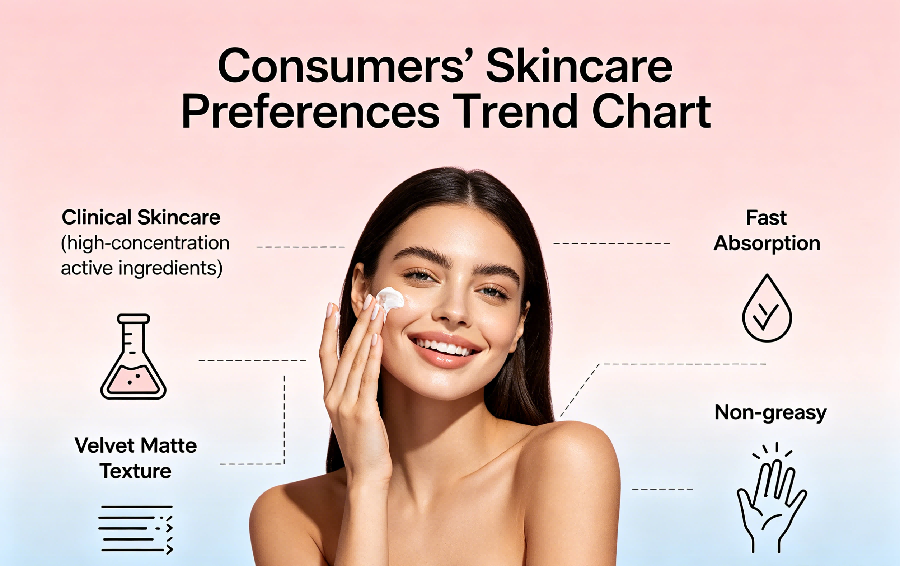
Modern consumers seek simplified routines. Brands are integrating lactic acid liquid into hybrid products (e.g., exfoliating moisturizers, hydrating toners, and anti-aging serums) to offer multiple benefits in one step. A 2024 Mintel report found that 78% of skincare buyers prefer multifunctional ingredients, driving demand for lactic acid liquid [13].
Research Spotlight: Innovative Applications of Lactic Acid Liquid
Recent studies are expanding the ingredient’s potential:
- Anti-Aging Advancements: A 2023 study in the Journal of Investigative Dermatologyshowed that a 10% lactic acid liquid formulation stimulated collagen production by 29% after 16 weeks, reducing the appearance of fine lines and wrinkles [14].
- Sustainability: Fermentation-derived lactic acid liquid has a 30% lower carbon footprint than synthetic variants, aligning with brand sustainability goals [15].
- Post-Inflammatory Erythema (PIE): A 2024 pilot study found that a 5% lactic acid liquid serum reduced PIE by 35% after 8 weeks, offering a new solution for redness-prone skin [16].
Conclusion
Lactic acid liquid is more than a trend—it’s a science-backed ingredient that combines efficacy, safety, and versatility. From gentle exfoliation for sensitive skin to sustainable formulations for eco-conscious consumers, its applications continue to expand as research uncovers new benefits. As the clean beauty and multifunctional skincare markets grow, lactic acid liquid will remain a cornerstone of innovative cosmetic products—proven by decades of clinical data and rising consumer demand.
Whether you’re a formulator looking to create the next breakthrough product or a skincare enthusiast seeking effective, gentle ingredients, lactic acid liquid offers endless possibilities. Always choose high-purity, USP/NF-compliant variants and follow concentration guidelines to ensure safety and optimal results.
- Name:Chloe
- Whatsapp:+86 18161805635
- Email:sales10@aogubio.com