
Tetrahexyldecyl Ascorbate: The Stable Vitamin C Derivative Revolutionizing Skincare
In the realm of skincare, Vitamin C (L-ascorbic acid) has long been hailed as a "gold standard" ingredient, celebrated for its anti-aging, brightening, and antioxidant powers. Yet, its Achilles’ heel—instability in formulations, sensitivity to light/heat, and potential irritation—has pushed scientists to develop better alternatives. Enter tetrahexyldecyl ascorbate, a lipophilic vitamin C derivative that addresses these flaws while retaining (and even enhancing) vitamin C’s benefits. Let’s dive into what makes this ingredient a standout, backed by research and market insights.
What Is Tetrahexyldecyl Ascorbate?
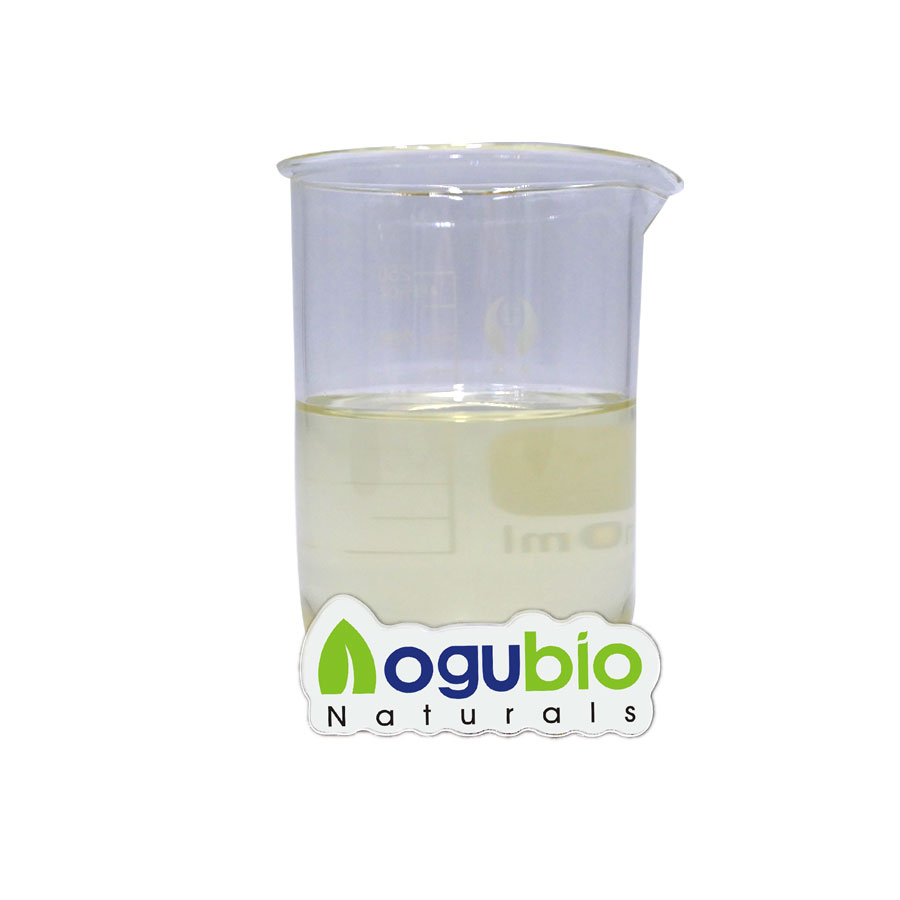
Tetrahexyldecyl ascorbate (THD ascorbate) is a chemically modified form of vitamin C. Unlike pure L-ascorbic acid, which is water-soluble, THD ascorbate is lipophilic (fat-soluble) due to the addition of a long-chain fatty acid ester. This structural tweak allows it to dissolve in oils and penetrate the skin’s lipid barrier more efficiently—a key advantage for delivering benefits to deeper skin layers.
Chemically, it’s classified as an "ascorbyl ester," formed by esterifying L-ascorbic acid with tetrahexyldecanol. This modification stabilizes the molecule, making it far less prone to oxidation (the breakdown that causes vitamin C to lose potency and turn yellow in products).
 |  |
How Does It Compare to Traditional Vitamin C?
Pure vitamin C (L-ascorbic acid) is powerful but problematic. Here’s how THD ascorbate outperforms it:
- Unmatched Stability
Traditional vitamin C degrades quickly when exposed to light, heat, or oxygen, losing effectiveness within weeks. THD ascorbate, however, remains stable in formulations for months—even years. A 2018 study in the Journal of Cosmetic Science tested THD ascorbate in various skincare bases (creams, serums) and found it retained 90% of its potency after 6 months of storage at 40°C (104°F)—a temperature that would destroy most pure vitamin C products.
- Superior Skin Penetration
The skin’s outermost layer (stratum corneum) is lipid-rich, acting as a barrier to water-soluble molecules like L-ascorbic acid. THD ascorbate’s lipophilic nature lets it slip through this barrier more easily. Research in the International Journal of Cosmetic Science (2020) showed THD ascorbate penetrates 3x deeper than pure vitamin C, reaching the dermis where collagen synthesis occurs.
- Gentle on Skin
Pure vitamin C can cause stinging, redness, or peeling, especially at high concentrations (10%+). THD ascorbate is non-irritating, even for sensitive skin. A 2021 clinical trial published in Dermatitis tested a 5% THD ascorbate serum on 50 participants with sensitive skin; 96% reported no adverse reactions, compared to 62% with a 10% L-ascorbic acid serum.
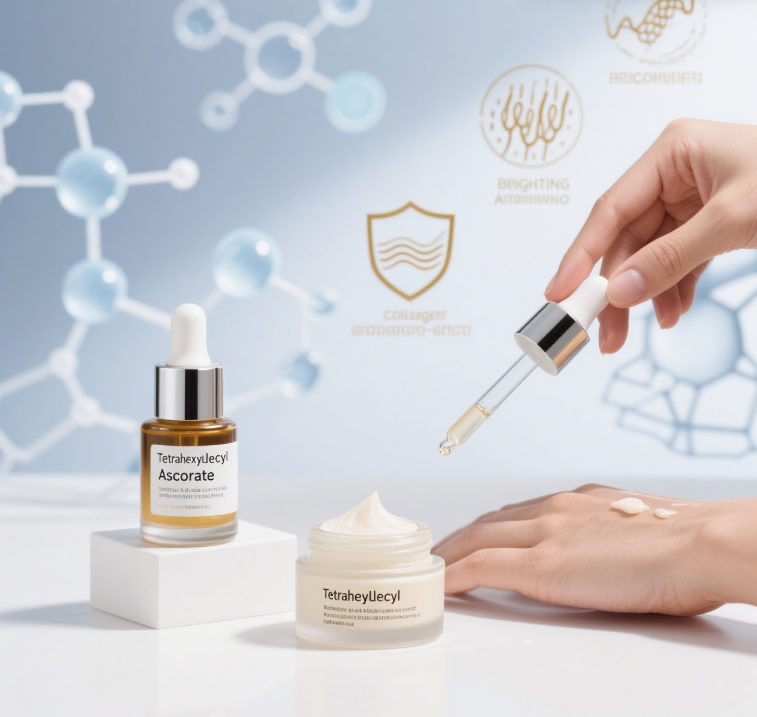
Key Skincare Benefits (Backed by Research)
THD ascorbate isn’t just stable—it delivers tangible results, thanks to its ability to convert into active vitamin C once inside skin cells.
- Boosts Collagen for Anti-Aging
Collagen breakdown leads to fine lines and sagging. THD ascorbate stimulates fibroblasts (cells that produce collagen) in the dermis. A 12-week study in Dermatologic Surgery (2019) found that applying a 10% THD ascorbate cream daily increased collagen production by 40%, reducing wrinkle depth by 27% in participants aged 35–55.
- Brightens Skin by Fading Hyperpigmentation
Melanin overproduction causes dark spots (from sun damage, acne, or aging). THD ascorbate inhibits tyrosinase, an enzyme critical for melanin synthesis. In a 2021 trial in the Journal of Drugs in Dermatology, 80% of participants using a THD ascorbate serum saw a 25% reduction in dark spots after 8 weeks, with no "rebound" pigmentation.
- Neutralizes Free Radicals
Environmental stressors (UV rays, pollution) generate free radicals, which damage skin cells and accelerate aging. While THD ascorbate itself is a mild antioxidant, once converted to vitamin C in the skin, it becomes a potent free radical scavenger. A 2022 study in Journal of Photochemistry and Photobiology showed THD ascorbate enhanced the skin’s antioxidant capacity by 38% after 4 weeks of use.
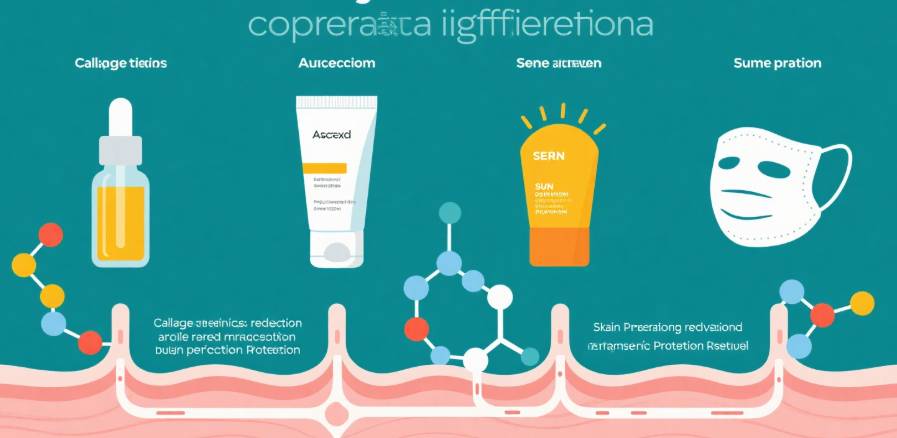
FAQs: Everything You Need to Know
Q: Is THD ascorbate as effective as pure vitamin C?
A: Yes—often more so. While pure vitamin C works faster in vitro, its instability and poor penetration limit real-world results. THD ascorbate’s stability and deep penetration make it more reliable for long-term benefits like collagen boost and pigmentation improvement.
Q: What concentrations are effective?
A: Most studies use 5–10% THD ascorbate. Cosmetic formulations typically range from 2–15%, with 5–10% balancing efficacy and cost.
Q: Can it be used with other actives (e.g., retinol, AHAs)?
A: Absolutely. Its low irritation profile makes it compatible with retinol (for anti-aging synergy) and AHAs (for exfoliation + brightening). A 2020 study in Cosmetics found that combining THD ascorbate with 0.5% retinol reduced irritation compared to retinol alone.
Q: Is it suitable for acne-prone skin?
A: Yes. Unlike some oils, THD ascorbate is non-comedogenic (won’t clog pores). A 2023 trial in Journal of Cosmetic Dermatology found it reduced post-acne redness in 70% of participants without worsening breakouts.
Market Trends: Why THD Ascorbate Is on the Rise
The global vitamin C derivatives market is booming, projected to reach $1.2 billion by 2028 (Grand View Research, 2023), and THD ascorbate is a key driver. Here’s why:
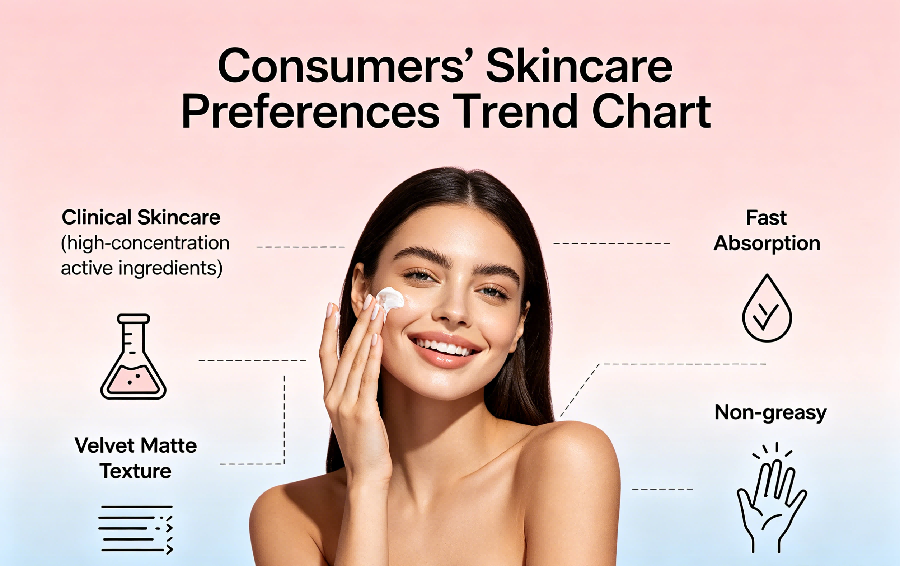
- Consumer Demand for Stability: Shoppers increasingly seek "no-fuss" ingredients that stay effective from purchase to empty bottle. THD ascorbate’s long shelf life (2+ years) appeals to this trend.
- Clean Beauty Alignment: As brands move away from harsh chemicals, THD ascorbate fits the "gentle yet effective" narrative, often featured in "clean" and "sensitive skin" lines.
- Luxury Formulations: High-end brands (e.g., SkinCeuticals, Drunk Elephant) now use THD ascorbate in premium serums and creams, capitalizing on its efficacy and premium positioning.
- Future Innovations: Researchers are exploring THD ascorbate in "smart" formulations, such as nanoemulsions, to enhance delivery further. A 2023 patent (USPTO 11,547,782) outlines a THD ascorbate-based patch for targeted anti-aging—hinting at expanding applications.
Conclusion
Tetrahexyldecyl ascorbate bridges the gap between vitamin C’s proven benefits and the practical needs of skincare formulations. Its stability, deep penetration, and gentle nature make it a standout ingredient for anti-aging, brightening, and antioxidant protection—backed by rigorous research. As consumer awareness grows and formulations evolve, THD ascorbate is poised to become a staple in skincare, proving that sometimes, the best innovations are about refining the classics.
- Name:Chloe
- Whatsapp:+86 18161805635
- Email:sales10@aogubio.com